

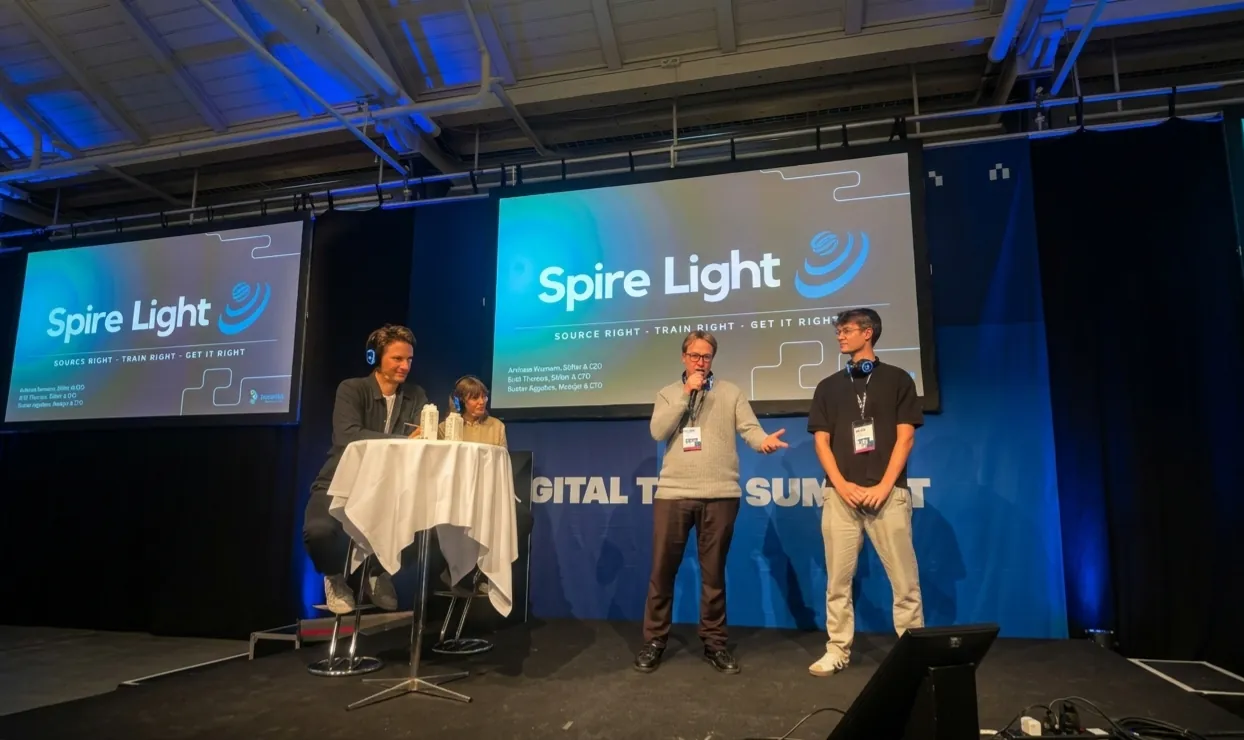
What does it take to see an industry clearly? Occasionally, it takes being completely broke in Southeast Asia with nothing but time and a freelance gig keeping the lights on.
That's where Andreas Kromann was in 2019 when he stumbled into the speech training data industry. He thought this wasn't a bad way to earn some cash. So he kept doing it.
The companies doing these projects needed contributors, and in large numbers, so that they could take part in voice recording sessions across different languages and dialects. The way they were finding people was outsourcing these projects through a long chain of agencies. Most of these companies weren't thinking about how to target specific demographics, linguistic profiles, or build a contributor base that could deliver consistently on the specifications that voice AI systems require. For them, what mattered was simple: they had ongoing projects, and were able to fill their needs quickly, and the payment to the dataworker doing the work did not matter.
Andreas saw that gap clearly. He understood, even then, that this was a structural problem. Every voice product, speech system, wake word, scripted prompt, and natural dialogue that an AI model can learn from requires human data collected by native speakers, with genuine quality control.
Admittedly, he did not come home from Asia with a grand plan. Instead, he ran his own freelance projects, recruiting contributors, managing referral codes, and overseeing the pipeline for recordings and transcriptions.
Given that he managed the logistics of getting people to deliver usable data, he understood the bottlenecks and the gaps in the market. That firsthand knowledge would later become one of the things that set Spirelight apart from competitors who entered the space with capital but without context.
Fast forward to December 2024. Andreas was still going strong with the speech training data projects, but he wanted to expand from just a freelance gig to a proper business.
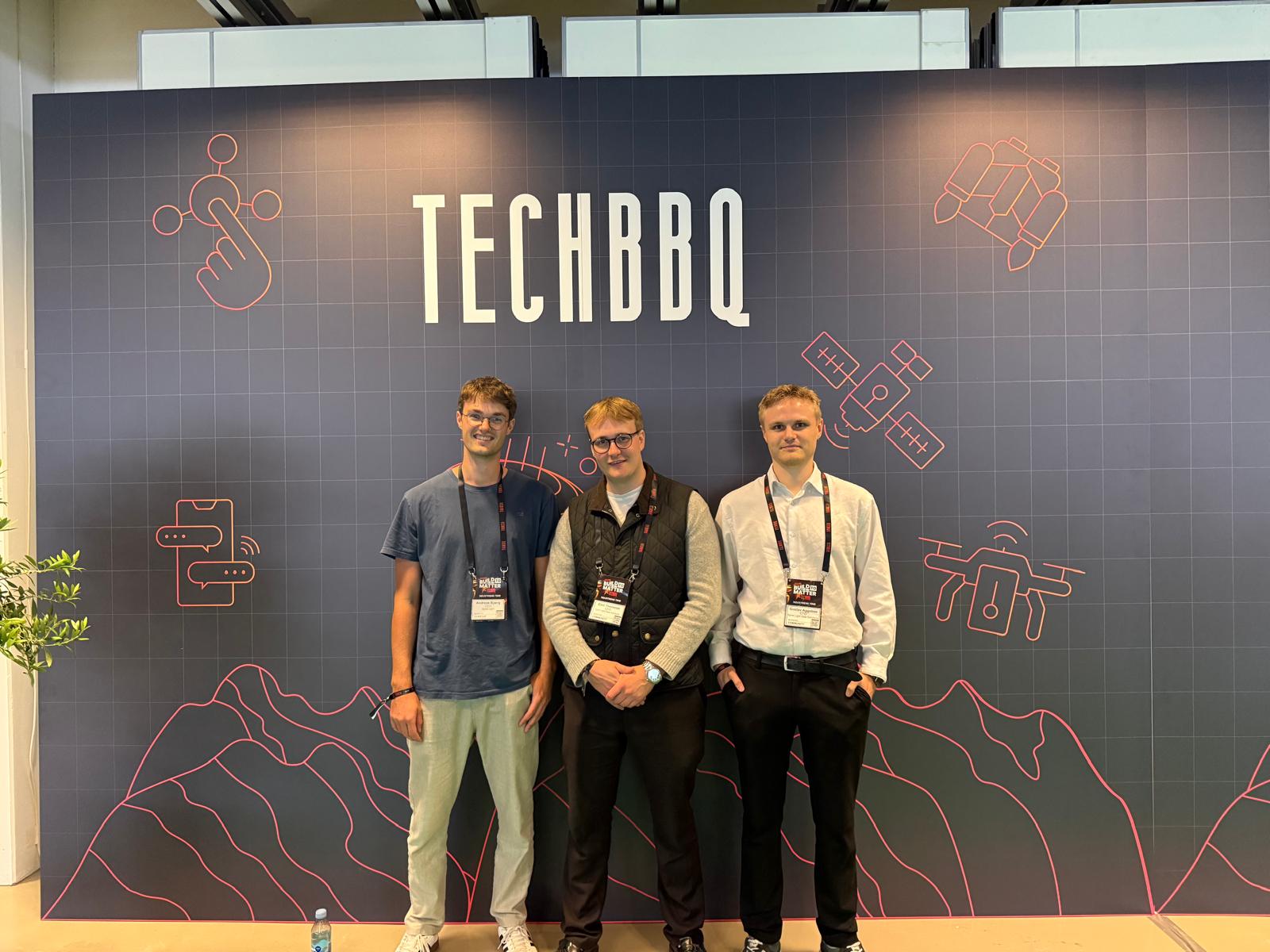
That changed when Emil Thorsson came into the picture. The workload had become somewhat overwhelming for Andreas, and he needed someone he could trust. Emil and Andreas had known each other since their teenage years, sharing classrooms through school in a friendship that Emil himself describes without much sentimentality.
Emil had studied law and spent time working in a law firm, moving through structured, paper-first days that gave him genuine expertise but not quite enough to hold his interest long-term. What drew him toward Spirelight was not simply the friendship or the chance to build something. He could see that GDPR compliance, consent frameworks, and data ethics were being consistently neglected in the industry. Companies were collecting voice data from contributors around the world without thinking carefully about the legal architecture that responsible collection requires.
It was Emil, in fact, who saw the full scope of what they had before Andreas did. From the moment he joined, he was pushing for the operation to become a real company, not just another successful freelance operation being run by friends. That perspective, coming from someone with a compliance background and a lawyer's instinct for structure, was what shifted the trajectory.
Gustav Bjergaard Aggeboe had known Andreas even longer than Emil had, going back to their earliest years in elementary school. At some point, Andreas had approached him about working together, given his technical background, but Gustav had said no. He was studying at the Danish Technical University and could not commit. He kept tabs on the operation, though, and could see that what Andreas was building had genuine substance underneath it. When he eventually joined in the start of 2025, he brought the technical capability that the operation had been missing. Gustav could look at the requirements of a complex data collection project and understand what the software needed to do. As Emil puts it now, he does not understand half of what Gustav explains when describing the systems he has built or when he makes requisitions for certain things, but the results speak for themselves.
What became Spirelight in 2025 was therefore not a startup assembled around an idea. It was a company built around five years of lived experience, brought into its full form by three people who happened to cover exactly the capabilities the business needed: industry depth, legal structure, and technical architecture. The trust built through having known each other for most of their lives meant they could disagree, push back, and hold each other accountable without it becoming destructive.